How to Start Learning Quran with Tajweed: A Step-by-Step Path for Beginners
The Quran is the word of Allah, and reciting it correctly is part of honouring it. For many Muslims in the UK, USA, Canada, Australia and Europe, the hardest part is not motivation but pronunciation: letters like ʿAyn (ع), Ḍād (ض), Ẓāʾ (ظ) and even Rāʾ (ر) do not exist in English. This guide explains why Tajweed matters, and the exact step-by-step path our teachers from Madinah use to take a student from the first Arabic letter to accurate, confident recitation.
What Is Tajweed?
The word Tajweed comes from the Arabic root j-w-d, meaning “to improve” or “to do something well.” In Quranic recitation it means giving every letter its correct articulation point (makhraj) and its characteristics (ṣifāt), and applying rules such as Ghunnah, Madd and Qalqalah, so the Quran is recited as it was revealed to the Prophet Muhammad ﷺ.
Scholars of recitation treated this seriously. Imam Ibn al-Jazarī wrote in his famous poem on Tajweed: “Applying Tajweed is a binding duty; whoever does not recite the Quran with Tajweed is sinful,” a line quoted by the Islamweb fatwa centre when explaining the ruling on Tajweed for those able to learn it (Islamweb, fatwa 49673).
Why One Letter Can Change the Meaning
Arabic is precise. Replace one letter with a similar-sounding one and the word can change completely. This is why learners in the West need careful, corrected practice rather than guessing from transliteration:
| Correct letter | If replaced with | What happens |
|---|---|---|
| عَلِيم ʿAlīm — “All-Knowing” | أَلِيم Alīm — “painful” | ʿAyn pronounced as a plain Hamza changes a Name of Allah into a word for pain. |
| ضَلَّ Ḍalla — “went astray” | دَلَّ Dalla — “guided” | Ḍād pronounced as Dāl reverses the meaning. |
| ظَلَّ Ẓalla — “remained” | ذَلَّ Dhalla — “was humiliated” | Ẓāʾ pronounced as Dhāl gives an unrelated word. |
A student cannot reliably hear these differences in his own voice. That is why Tajweed is learned by reciting to a qualified teacher who listens and corrects.
The Learning Path We Follow at Quranic Values
Many beginners jump straight into memorising short surahs by repeating after someone else. It works for a few verses, but the student stays dependent and carries hidden pronunciation mistakes into everything he memorises. Our teachers, who studied and taught in the Quran circles of Al-Masjid an-Nabawi, follow a clear order instead:
-
Start with the Noorani Qaida
From the very first lesson, the Noorani Qaida trains the articulation points of the letters and how each sound is produced. At the same time it teaches the student to read Arabic: the short vowels (Ḥarakāt), the shapes letters take at the beginning, middle and end of a word, then easy words, building gradually until the student can read a complete verse of the Quran on his own.
The Qaida we use is colour-coded: Red marks Ghunnah and Madd, and Green marks Qalqalah, so the student sees the rule while reading it.
-
Begin memorising with a colour-coded Tajweed Mushaf
Once the student reads correctly and his makharij are sound, he moves on to memorising the Quran. Our students use a Tajweed Mushaf with the same colours as the Qaida, so nothing is new to the eye.
The big advantage: a student who completed the Qaida can read each new verse and memorise it independently, instead of needing someone beside him to read the verse aloud first. He already knows the letter shapes and how to read words and verses. -
Learn the core Tajweed rules alongside memorisation
After memorisation begins, the teacher introduces the foundations step by step so the student understands what he is already applying: what Tajweed is, the characteristics of the letters, Ghunnah and its types, and Madd and its types. Rules are taught one at a time and applied immediately in the student’s own recitation. You can explore the full curriculum on our online Tajweed classes page.
-
Follow a personal plan, reviewed every month
Every student has a plan matched to his level. It sets the size of the new daily lesson and the amount of previous memorisation to recite each day. At the end of every month the plan is reviewed so weak points are identified and treated before they grow.
-
Practise daily and listen to master reciters
Short, consistent practice beats long, irregular sessions. Listening to precise reciters such as Sheikh Maḥmūd Khalīl al-Ḥuṣarī, Sheikh ʿAbd al-Bāsiṭ ʿAbd al-Ṣamad and Sheikh Mishary Rashid Alafasy trains the ear, while the teacher’s correction trains the tongue.
Why You Need a Teacher, Not Only an App
Apps, colour-coded Mushafs and videos are helpful companions, but they cannot hear you. Sheikh ʿAbd al-ʿAzīz ibn Bāz advised the person who struggles with recitation to “strive and be keen to recite it to someone more knowledgeable than him, and not abandon reading, because learning increases him in good” (binbaz.org.sa, fatwa 2032).
And the effort itself is rewarded. The Prophet ﷺ said: “The one who is skilled in the Quran will be with the noble, righteous scribes, and the one who recites the Quran and stumbles over it, finding it difficult, will have two rewards.” (Sahih Muslim; Islamweb, fatwa 24834)
The Reward Behind Every Letter
The Prophet ﷺ said: “Whoever recites a letter from the Book of Allah receives a good deed for it, and a good deed is multiplied by ten. I do not say that Alif-Lām-Mīm is one letter; rather Alif is a letter, Lām is a letter and Mīm is a letter.” (Jāmiʿ al-Tirmidhī, graded ḥasan ṣaḥīḥ by al-Tirmidhī; Islamweb, fatwa 68406)
He ﷺ also said: “Beautify the Quran with your voices, for a beautiful voice increases the Quran in beauty.” (al-Dārimī 3501 and al-Ḥākim 2125, graded ṣaḥīḥ by al-Albānī in Ṣaḥīḥ al-Jāmiʿ 3581; Dorar.net)
And he ﷺ said: “The best of you are those who learn the Quran and teach it.” (Sahih al-Bukhari, and also reported by al-Tirmidhī; Dorar.net)
Common Challenges and How We Solve Them
“I can’t pronounce ʿAyn, Ḍād or Ẓāʾ.”
The teacher demonstrates the articulation point, uses visual guidance where needed, and corrects you live until the sound settles. This starts in the Qaida, before the mistake becomes a habit.
“I don’t have time.”
Our lessons are task-based and short, up to about 25 minutes, finishing when your assigned work is completed. Regular classes run five days a week, Sunday to Thursday, at a time arranged around school or work in your time zone.
“There are too many rules.”
You never learn them all at once. Each rule is introduced when you need it and applied straight away in the verses you are reading or memorising.
Learning Tajweed Online from the UK, USA and Beyond
Finding a qualified local teacher can be difficult in the West. With Quranic Values you study live, one-to-one, on Google Meet with native Arabic-speaking teachers from Madinah. You can meet our teachers and review their qualifications and certificates before you begin.
Every new student starts with a free 3-day trial:
- Day 1: meet your teacher and agree on your regular class time.
- Day 2: a level assessment and a personal study plan.
- Day 3: your first real lesson according to the plan.
- Day 4: if you choose to continue, pay for a monthly or 3-month plan and carry on with the same plan.
Start Your Tajweed Journey the Right Way
Whether you are a complete beginner, a parent looking for a teacher for your child, or an adult who reads but wants to correct mistakes, we will assess your level and place you at the right starting point.
Continue Reading
- What Is Tajweed and Why Is It Important?
- The Difference Between Tajweed and Tarteel
- How Tajweed Protects the Meaning of the Quran
- How to Start Memorizing the Quran Step by Step
Sources
- The Quran: Surah Al-Muzzammil 73:4; Surah Al-Qamar 54:17.
- Islamweb fatwa 49673, ruling on Tajweed, quoting Ibn al-Jazarī: islamweb.net/ar/fatwa/49673
- Sheikh Ibn Bāz, fatwa 2032, reciting for one who does not recite well: binbaz.org.sa/fatwas/2032
- Hadith of the skilled reciter and the one who stumbles (Sahih Muslim): islamweb.net/ar/fatwa/24834
- Hadith of the reward for each letter (al-Tirmidhī): islamweb.net/ar/fatwa/68406
- Hadith “Beautify the Quran with your voices”: dorar.net/aadab/982
- Hadith “The best of you are those who learn the Quran and teach it”: dorar.net/hadith/sharh/13180
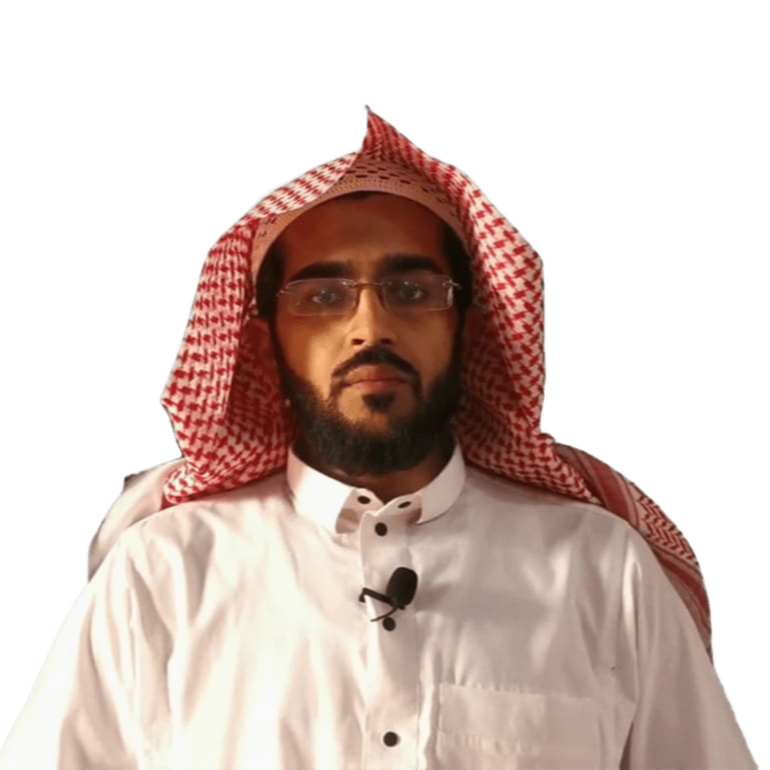
Sheikh Abdul Rahman Yaqoob is a certified Quran & Tajweed scholar, holding a Bachelor’s Degree with Honors in Noble Quran and Islamic Studies from the Islamic University of Madinah. He is the Lead Instructor at Quranic Values, dedicated to bridging the gap for Muslim families in the West by providing authentic Islamic education and nurturing a generation connected to their faith and identity