Why Learning the Quran Is Essential for Every Muslim: The Minimum, Common Mistakes and How to Start
Not every Muslim can become a hafiz, and not everyone has hours a day to study. But there is a part of the Quran that every Muslim needs, because it is recited in every prayer. This guide explains, honestly and simply, why learning the Quran matters for every Muslim, what the minimum is that no Muslim should be without, the mistakes we hear most often from new students, and how to start, even with fifteen minutes a day.
Why Learning the Quran Is Essential
The Quran is the word of Allah, and the Muslim meets it every single day in prayer. Learning it is not an extra hobby for the especially religious; it is part of worship itself. The Prophet ﷺ said: “The best of you are those who learn the Quran and teach it”, narrated by ʿUthmān ibn ʿAffān and reported by al-Bukhārī (5027) (Dorar).
And the reward is not only for the fluent. The Prophet ﷺ said: “The one who is skilled in the Quran will be with the noble, righteous scribes (the angels), and the one who recites the Quran and stumbles over it, finding it difficult, will have two rewards”, narrated by ʿĀʾishah and reported by al-Bukhārī (4937) and Muslim (798) (Dorar). If you struggle, your struggle is itself rewarded.
The Minimum Every Muslim Should Learn
Falling short of memorising the whole Quran is a shortcoming, and we encourage everyone to aim higher. But if someone truly has little time, is tired, or has another reason that keeps him from memorising much, there is still a minimum that no Muslim should be without, memorised and recited correctly:
-
Surah Al-Fātiḥah
It is a pillar of every unit of prayer. The Prophet ﷺ said: “There is no prayer for the one who does not recite the Opening of the Book (al-Fātiḥah)”, narrated by ʿUbādah ibn aṣ-Ṣāmit and reported by al-Bukhārī (756) and Muslim (394) (Dorar). He ﷺ also called it the greatest surah in the Quran, reported by al-Bukhārī (4474) (Dorar).
-
Two short surahs
To recite after al-Fātiḥah in prayer, for example Surah Al-Ikhlāṣ (112) and Surah Al-Kawthar (108) or Surah Al-ʿAṣr (103).
-
Āyat al-Kursī
Surah Al-Baqarah (2), verse 255, the verse of the Throne, which Muslims recite in their daily remembrance. In a hadith reported by al-Bukhārī (2311), reciting it on going to bed is described as a protection through the night (Dorar).
The Most Common Mistakes in Al-Fātiḥah
Our teachers learned and taught the Quran in the Quran circles of the Prophet’s Mosque in Madinah, and they hear the same mistakes again and again from new students, most of them in the points of articulation (makhārij) and qualities (ṣifāt) of the letters:
- Ḥāʾ (ح) read as hāʾ (ه), so al-ḥamdu becomes al-hamdu.
- Ḍād (ض) read as dāl (د) or ẓāʾ (ظ) in wa-laḍ-ḍāllīn.
- Dropping the shaddah in iyyāka, which changes the meaning.
- Ṣād (ص) turned into sīn (س) in aṣ-ṣirāṭ.
- Softening ʿayn (ع) and hamzah (ء) until they almost disappear.
- Taking a breath in the middle of a verse and continuing from where the breath stopped, breaking the meaning.
Some of these mistakes change the meaning of the words. That is why we tell students plainly: if a person knows his al-Fātiḥah has serious mistakes and ignores it, this is a dangerous matter, because al-Fātiḥah is a condition of the prayer. The answer is not fear, but learning.
A Real Story: Corrected in Three Sessions
An Egyptian student who was born and raised in Sweden came to us reciting al-Fātiḥah with several mistakes he had carried for years: the letter rāʾ was not pronounced properly, the long alif was tilted towards an “e” sound, the ʿayn and hamzah were softened, ḍād was mixed with ẓāʾ, and dāl with ṭāʾ.
His al-Fātiḥah was corrected in three sessions, and his general recitation mistakes were corrected within two weeks, all praise is for Allah. What made the difference was not a long course but one-to-one correction: a teacher listening to every letter and correcting it immediately, the way the Quran has always been taught, by direct transmission from teacher to student.
How We Start: Al-Fātiḥah, Then the Foundations
Every student is different, so the plan is personal:
- Some students need to go back to the Noorani Qaida to fix the points of articulation of the letters.
- Even then, we may begin with al-Fātiḥah in parallel, because it is a condition of the validity of prayer and cannot wait.
- After the Qaida, the student moves to the Quran itself: correcting recitation and learning Tajweed.
The goal is not only to memorise, but to understand. A student who has learned the foundations knows immediately when he makes a mistake himself, and recognises it when he hears someone else recite incorrectly. That is the value of learning the rules and basics from the beginning: knowledge built on understanding, not imitation.
“I Am Busy and No Longer Young”: Our Honest Advice
Start small. Even fifteen minutes a day is a real beginning. If even that is too much for you at first, start with fifteen minutes on three days a week, so you do not put pressure on yourself, and increase step by step. The Prophet ﷺ said: “The most beloved deeds to Allah are those done consistently, even if they are small”, reported by al-Bukhārī (6464) and Muslim (783) (Dorar).
Do not make it heavy on yourself from the start, or you may come to dislike it. Begin with simple steps, and Allah will put blessing in your time and in your learning.
At Quranic Values, lessons are one-to-one, up to about 25 minutes, task-based and short by design: a big benefit in a short time, so that busy adults can keep going for the long term.
Common Questions
What is the minimum part of the Quran every Muslim should learn?
At the very least: Surah Al-Fātiḥah, two short surahs to recite in prayer, and Āyat al-Kursī, all memorised and recited correctly with proper pronunciation.
Is my prayer valid if I make mistakes in al-Fātiḥah?
Al-Fātiḥah is a pillar of the prayer, and some mistakes change the meaning. Whoever knows he has serious mistakes should not ignore them but hurry to correct them with a qualified teacher. For a specific ruling on your case, ask a trusted scholar.
How long does it take to correct al-Fātiḥah?
It depends on the student. With one-to-one correction, many students fix their al-Fātiḥah within a few sessions; one of our students corrected his in three sessions.
I cannot read Arabic at all. Where do I start?
With the Noorani Qaida to learn the letters and their sounds, while learning al-Fātiḥah with your teacher from the first weeks.
Make Sure Your Al-Fātiḥah Is Correct
Book a free 3-day trial: a teacher from the Quran circles of the Prophet’s Mosque listens to your recitation, identifies your mistakes, builds a personal plan and gives you a first real lesson, with payment only after the trial.
Continue Reading
- Learning Quran Online: A Beginner’s Guide for Adults
- How the Quran Guides Us in Daily Life
- Learning the Quran Online as a Working Professional
Quranic Values is an independent online academy. It is not affiliated with Al-Masjid an-Nabawi or the General Presidency for the Affairs of the Two Holy Mosques; our teachers learned and taught in the Quran circles there.
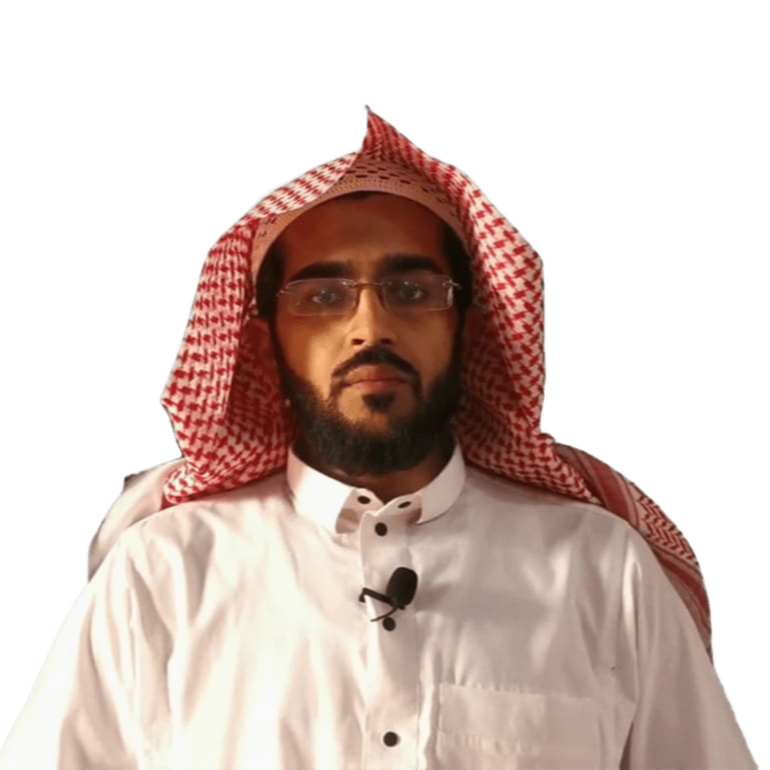
Sheikh Abdul Rahman Yaqoob is a certified Quran & Tajweed scholar, holding a Bachelor’s Degree with Honors in Noble Quran and Islamic Studies from the Islamic University of Madinah. He is the Lead Instructor at Quranic Values, dedicated to bridging the gap for Muslim families in the West by providing authentic Islamic education and nurturing a generation connected to their faith and identity