Advanced Quranic Studies Online: Tajweed Theory, Classical Texts and the Path to a Sanad
You can read the Quran correctly, perhaps you have memorised a good portion. What comes next? Many students want to go deeper: to understand the rules behind their recitation, to study the classical texts the scholars of Madinah study, and even to earn a recognised certificate or an authentic chain (sanad). This guide explains the advanced paths available on Quranic Values today, how each one is taught, and what is coming next.
1. Theoretical Tajweed: Learn a Rule, Then Live It
Theoretical Tajweed is taught as part of our recitation correction course. Its method is simple and effective: a chapter of rules, then a pause to apply it in recitation until the student has fully absorbed it.
-
A first set of lessons
The foundations, followed straight away by applying them in recitation.
-
The Uthmani script
Something about how the Mushaf is written and the reasons behind its differences in spelling.
-
The chapter of Madd
Prolongation and its types, then applying it until the madd rules become easy for the student.
-
Nūn sākinah and tanwīn
Then the next chapter, and so on, always stopping to apply before moving on.
Each chapter is studied, then applied for a set period, so the student understands the lesson completely before the next one begins. Every student also keeps a personal Tajweed file with the rules written briefly and clearly, away from scholarly differences.
2. Classical Texts (Mutūn) with Certificates
For students who want to study the way students of knowledge study in Madinah, we teach classical texts and give a certificate on completion:
- Mutūn Ṭālib al-ʿIlm: the preliminary level and the first level.
- Tuḥfat al-Aṭfāl: the well-known introductory poem on Tajweed.
- Al-Muqaddimah al-Jazariyyah: the classic poem on Tajweed by Imam Ibn al-Jazarī.
Going further: the circles of the Prophet’s Mosque
Because we know the teachers in the circles of the Prophet’s Mosque, we can help a serious student go one step further. We guide him to contact the administration of the Quran circles there and register, and we stay with him through that step. He is then tested in those circles and can receive a certificate from the General Presidency for the Affairs of the Two Holy Mosques. The same path applies to the Jazariyyah and Tuḥfat al-Aṭfāl.
One of our students read the Jazariyyah with Sheikh Abdul Rahman Yaqoob and received a certificate, then, with our help, read it to a sheikh at the Prophet’s Mosque who holds a sanad in it and received a sanad stamped by the General Presidency. Read his story in Learn the Quran from Anywhere in the World, the Madinah Way.
3. Quran Maqamat: Beautify Your Recitation
For adults whose reading and Tajweed are already sound, the Quran maqamat course helps improve and beautify the voice. It is for students aged 18 and over, cannot be combined with other courses, and requires sound Tajweed and a commitment before Allah to use the maqamat only in ways pleasing to Him.
4. Arabic to Understand the Quran
Before teaching Arabic, we ask the student why he wants to learn it. Some are preparing to travel to an Arab country; others want to understand the Quran. Each receives lessons suited to his goal.
For those who want to understand the Quran, our Arabic course focuses on the essentials only, not rhetoric (balāghah) or grammatical analysis (iʿrāb): the meanings of common words, demonstrative pronouns, numbers, everyday nouns and similar basics, so the student begins to recognise what he is reciting.
5. Hadith Studies
Our Hadith studies programme covers the Sunnah, Islamic etiquette and daily supplications, and can be combined with Quran or Arabic in the dual programme.
Coming Next, In Shāʾ Allāh
As part of our vision, we plan to add courses in Tafsīr, ʿAqīdah (Islamic creed) and the ten Qirāʾāt, taught by teachers from Madinah. Read more in The Future of Islamic Education Online.
Who Teaches These Courses?
Every teacher on Quranic Values, male and female, learned and taught in the Quran circles of the Prophet’s Mosque in Madinah, and was trained by respected sheikhs of Madinah in how to teach and manage a circle. Every teacher is qualified under the sheikhs and reciters of Madinah.
Quranic Values is an independent online platform and is not officially affiliated with Al-Masjid an-Nabawi or the General Presidency for the Affairs of the Two Holy Mosques.
Questions About Advanced Studies
Do you teach Tafsir?
Not yet. Tafsir is among the courses we plan to add, in shāʾ Allāh. Today we offer theoretical Tajweed, classical texts, maqamat, Arabic and Hadith.
Which classical texts can I study?
Mutūn Ṭālib al-ʿIlm (preliminary and first levels), Tuḥfat al-Aṭfāl and Al-Muqaddimah al-Jazariyyah, with a certificate on completion.
Can I get a sanad?
Our teachers give certificates. For serious students, we help connect you with the circles of the Prophet’s Mosque, where you can be tested and receive a certificate or sanad from the General Presidency.
Will the Arabic course teach me grammar analysis and rhetoric?
The course for understanding the Quran focuses on essentials: common word meanings, numbers, demonstratives and everyday nouns, not iʿrāb or balāghah.
Take the Next Step in Your Quran Journey
Book a free 3-day trial: a teacher from the circles of the Prophet’s Mosque assesses your level, recommends the right advanced path and gives you a first real lesson, with payment only after the trial.
Continue Reading
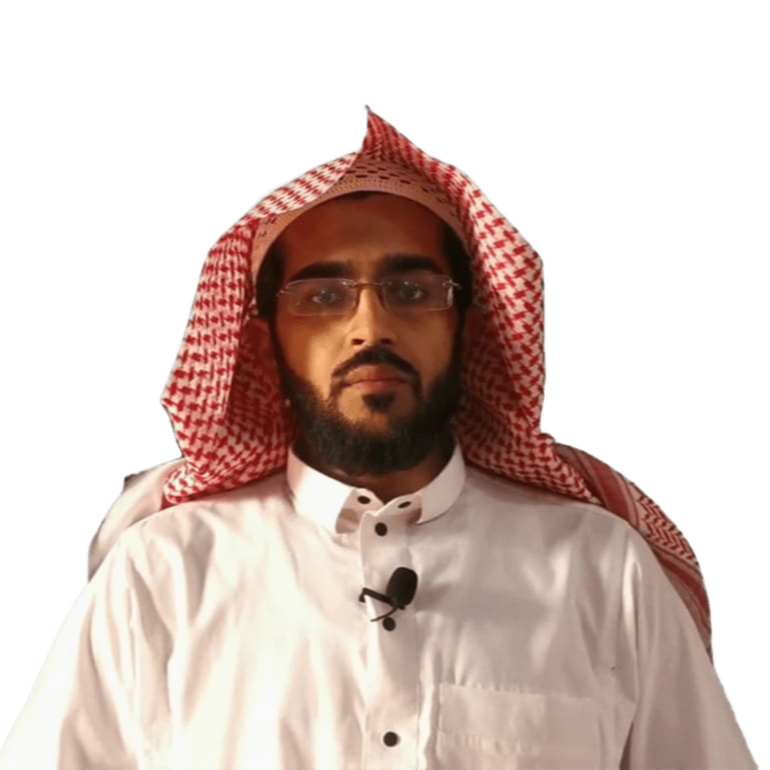
Sheikh Abdul Rahman Yaqoob is a certified Quran & Tajweed scholar, holding a Bachelor’s Degree with Honors in Noble Quran and Islamic Studies from the Islamic University of Madinah. He is the Lead Instructor at Quranic Values, dedicated to bridging the gap for Muslim families in the West by providing authentic Islamic education and nurturing a generation connected to their faith and identity