Learn the Quran from Anywhere in the World, the Madinah Way
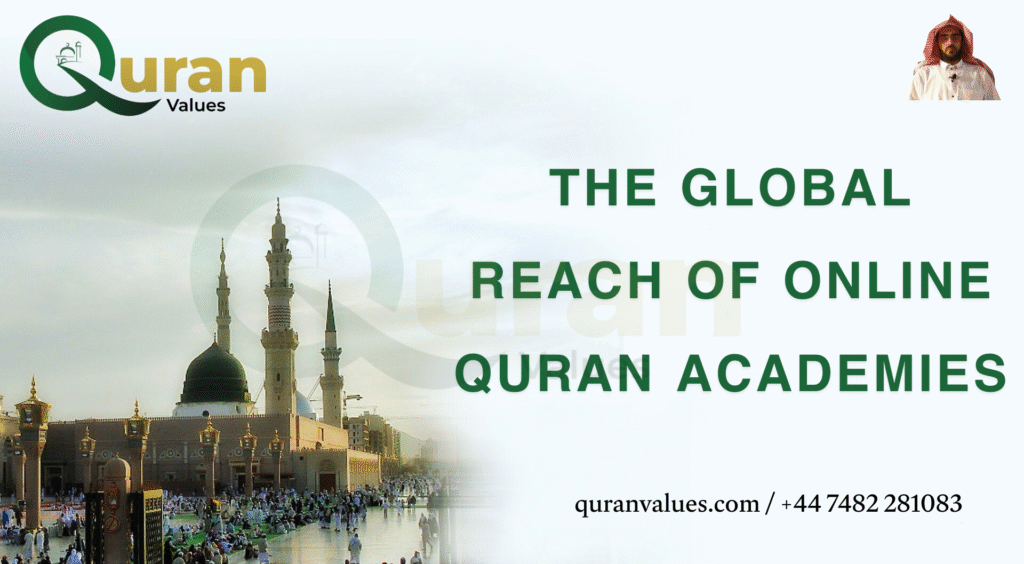
For centuries, students travelled for months to sit in the Quran circles of Madinah. Today, a student in London, Toronto or Stockholm can open a laptop and learn as if he were sitting in a circle at the Prophet’s Mosque: with teachers who learned and taught in its circles, following the method of the scholars and reciters of Madinah. This page explains what that means in practice, who our students are, and how we teach across languages and cultures.
One Source, Students Everywhere
Our students come from many countries. In the West, we teach students in the United States, Canada, the United Kingdom, Sweden, France, Germany and Mexico, among others, as well as students from across the Arab world. They live in different time zones and cultures, but they learn from the same source: teachers who were taught in Madinah, by its sheikhs, in the circles of Al-Masjid an-Nabawi.
What Connects a Student Abroad to Madinah?
1. The method
This is the most important link. All our teaching is built on the method of the people of Madinah: its reciters, scholars and sheikhs. The way the teacher recites, corrects, plans the lesson and revision, and builds the student’s character follows what our teachers received in the circles of the Prophet’s Mosque. Read more in The Role of a Quran Teacher: Lessons from the Circles of Madinah.
2. The teachers
Every teacher on Quranic Values, male and female, learned and taught in the Quran circles of the Prophet’s Mosque in Madinah. Every teacher learned the Quran in Madinah and is qualified under the sheikhs and reciters of Madinah.
3. A path to an authentic chain (sanad)
A student once asked Sheikh Abdul Rahman Yaqoob to read the Muqaddimah al-Jazariyyah (the classic poem on Tajweed) with him and to receive a sanad for it. He read it with the Sheikh and received a certificate. The Sheikh then connected him with one of the sheikhs teaching at the Prophet’s Mosque who holds a sanad in the Jazariyyah. The student read it to that sheikh and received a sanad stamped by the General Presidency for the Affairs of the Two Holy Mosques. For serious students, the connection to Madinah can go all the way to an authentic chain of transmission.
Three Languages in the Class
One of the things that sets us apart is language. Our teachers’ first languages are Arabic and Urdu, and they teach in English within the scope of the lesson. We train every teacher in the English he needs most in the class: welcoming the student, instructions such as “raise your voice” or “repeat the verse”, and the friendly questions that build a warm relationship between teacher and student, like “How is the weather where you are today?” or “You look tired today, are you alright?”
A real example from the Maldives
A student from the Maldives began studying the Quran maqamat with Sheikh Abdul Rahman. He understands a little Urdu and a very little Arabic but cannot speak either; he speaks and understands English. So the Sheikh teaches him in English, and on the rare occasion that a word is difficult, he checks its translation and continues the explanation. The lesson goes on smoothly, because what the student really needs is to hear correct recitation and be corrected, and that needs no translation.
Different Cultures, the Same Care
A child in Britain and a child in the Gulf live very different lives. What does not change is the teacher’s care: a personal plan suited to the student’s level and circumstances, short focused classes, a daily follow-up record, and respect for his school, work and family. Learn more about how we teach students living abroad in Learning the Quran Online as an International Student.
Quranic Values is an independent online platform and is not officially affiliated with Al-Masjid an-Nabawi.
Questions Students Abroad Ask
Which countries are your students from?
Many, including the United States, Canada, the United Kingdom, Sweden, France, Germany, Mexico and Arab countries.
Do the teachers speak English?
Yes, within the scope of teaching. Their first languages are Arabic and Urdu, and every teacher is trained in the English needed in class.
Can I get a sanad?
Our teachers give certificates for what you complete with them, and for serious students we can connect you with a sheikh at the Prophet’s Mosque who holds a sanad in that text.
What time zone are classes in?
Times are set in Makkah time and matched to your local time.
Learn the Madinah Way, Wherever You Are
Book a free 3-day trial: a teacher from the circles of the Prophet’s Mosque assesses your level, builds a personal plan and gives you a first real lesson, with payment only after the trial.
Continue Reading
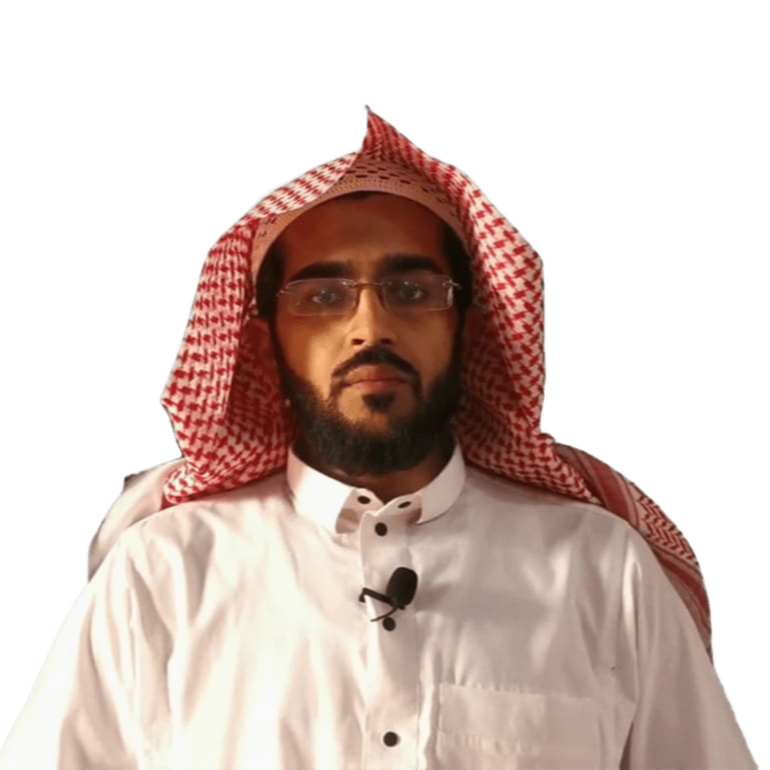
Sheikh Abdul Rahman Yaqoob is a certified Quran & Tajweed scholar, holding a Bachelor’s Degree with Honors in Noble Quran and Islamic Studies from the Islamic University of Madinah. He is the Lead Instructor at Quranic Values, dedicated to bridging the gap for Muslim families in the West by providing authentic Islamic education and nurturing a generation connected to their faith and identity