Common Tajweed Mistakes to Avoid: Clear and Hidden Errors
Reciting the Quran correctly is both an act of worship and a trust. Yet many learners, beginners and experienced readers alike, repeat Tajweed mistakes without realising it, especially in the UK, USA, Canada, Australia and Europe, where Arabic sounds are unfamiliar. Some of these mistakes change the meaning of Allah’s words; others take away the precision and beauty of the recitation. This guide explains both kinds, gives clear examples, and shows the step-by-step order that fixes them for good.
Two Kinds of Tajweed Mistakes: Clear and Hidden
Scholars of recitation divide mistakes (laḥn) into two kinds. Knowing the difference tells you what to fix first.
| Type | What it is | Ruling |
|---|---|---|
| Clear mistake اللحن الجلي |
An error in the letters or vowels themselves: replacing one letter with another, changing a vowel, adding or dropping a letter. It can change the meaning. | Not permitted for someone able to learn the correct reading. |
| Hidden mistake اللحن الخفي |
An error in perfecting the rules: Ghunnah, the length of Madd, heavy and light letters, Qalqalah. The meaning stays, but the recitation loses its precision. | The reciter is not sinful for it, but should keep striving to perfect it. |
The Islamweb fatwa centre, quoting al-Mulla ʿAlī al-Qārī, explains that the reciter is sinful for the clear mistake but not for the hidden one (Islamweb, fatwa 135867). Another fatwa classifies stretching a Madd beyond its proper length as a hidden mistake (Islamweb, fatwa 245485).
Part 1: Clear Mistakes That Change the Meaning
-
Replacing one letter with another
This is the most common clear mistake among English speakers, because several Arabic letters have no English equivalent:
Correct Mistake Result قَلْب qalb — “heart” كَلْب kalb — “dog” Qāf pronounced as Kāf عَلِيم ʿAlīm — “All-Knowing” أَلِيم alīm — “painful” ʿAyn pronounced as Hamza ضَلَّ ḍalla — “went astray” دَلَّ dalla — “guided” Ḍād pronounced as Dāl Other frequent swaps: ح pronounced as هـ, ط as ت, ص as س, and ظ as ذ or ز.
-
Changing a vowel (Ḥarakah)
A single vowel can turn a verse’s meaning upside down. In Surah At-Tawbah (9), verse 3, the correct reading is وَرَسُولُهُ (with ḍamma): “Allah is free from the polytheists, and so is His Messenger.” Reading it with a kasra, وَرَسُولِهِ, would wrongly make the Messenger ﷺ among those Allah is free from, a grave distortion of the meaning.
-
Adding or dropping a letter
Stretching a short vowel until it becomes a long one effectively adds a letter, and cutting a long vowel short drops one. For example, reciting قَالَ (qāla, “he said”) as qala removes the Alif, while over-stretching short vowels inserts letters that are not in the Mushaf.
-
Stopping in a place that changes the meaning
Stopping after ﴿لَا تَقْرَبُوا الصَّلَاةَ﴾ (“Do not approach prayer”) cuts off “…while you are intoxicated” (Surah An-Nisāʾ 4:43). Learn the stopping signs in the Mushaf; see 10 tips to improve your Quran recitation for a table of them.
Part 2: Hidden Mistakes That Weaken Precision
-
Dropping or over-stretching Ghunnah
The nasal sound on نّ and مّ, and in Idghām, Iqlāb and Ikhfāʾ, is held for about two counts. Learners either skip it entirely or hum it far too long.
-
Inconsistent Madd lengths
The natural Madd is two counts; others are four, five or six. Changing the length from one verse to the next, or stretching beyond the proper count, is a hidden mistake that breaks the balance of the recitation.
-
Mixing heavy and light letters
The heavy letters خ ص ض غ ط ق ظ lose their fullness, or light letters such as س become heavy. Rāʾ and the Lām in الله are also often given the wrong weight.
-
Missing or exaggerated Qalqalah
The letters ق ط ب ج د need a light echo when they carry a sukūn. Some learners swallow it; others turn it into an extra vowel.
-
Reading too fast, or dragging too slowly
﴿وَرَتِّلِ الْقُرْآنَ تَرْتِيلًا﴾“And recite the Quran with measured recitation.”Surah Al-Muzzammil (73), verse 4Rushing skips rules; dragging distorts the rhythm. Tartīl is the balanced, measured pace between the two.
-
Putting melody before the rules
Beautifying the voice is praiseworthy, but a tune must never bend a letter, a vowel or a Madd. This is why our Quran Maqamat course is open only to adults (18+) whose Tajweed is already sound: the rules always come first, and the melody serves them.
Why These Mistakes Happen
- No teacher: self-study cannot hear your mistakes.
- Unfamiliar sounds: English has no ʿAyn, Ḥāʾ, Ḍād, Ẓāʾ or Qāf.
- Copying by ear only: imitating reciters without knowing the rules behind the sounds.
- Starting in the wrong order: jumping into memorisation or advanced rules before the letters are correct.
The Right Order to Fix Your Makhārij, Step by Step
If a learner has mistakes in the articulation of the letters, the solution is not a list of rules but a clear order. This is the path we follow at Quranic Values:
-
Start with the Noorani Qaida
The Noorani Qaida teaches the correct articulation point of each letter from the very first lesson. Because the student practises every letter alone, then at the start, middle and end of words, he learns to focus on its correct makhraj even when it appears inside a word. Our Qaida is colour-coded (red for Ghunnah and Madd, green for Qalqalah), so the rules are visible from the start.
-
Then study the lesson of Makhārij al-Ḥurūf in Tajweed
Once the student reads correctly, the Tajweed lesson on articulation points deepens his knowledge: he learns where each sound comes from and why, not only how it sounds.
-
Then the characteristics of the letters (Ṣifāt)
The characteristics explain why two letters from the same place sound different, such as heavy and light, Qalqalah and others. Each stage adds to the one before it.
-
Then the remaining rules, step by step
Ghunnah, Madd, Nūn and Mīm Sākinah and the rest are introduced one at a time alongside memorisation from a colour-coded Mushaf, with a personal plan reviewed every month. See our easy Tajweed rules for beginners.
Alongside this order: recite daily, record yourself and compare, and listen to precise reciters such as Sheikh Maḥmūd Khalīl al-Ḥuṣarī and Sheikh Mishary Rashid Alafasy. Above all, recite to a teacher who listens and corrects.
Every Effort Is Rewarded
The Prophet ﷺ said: “The one who is skilled in the Quran will be with the noble, righteous scribes, and the one who recites the Quran and stumbles over it, finding it difficult, will have two rewards.” (Sahih Muslim; Islamweb, fatwa 24834)
Correct Your Tajweed with Teachers from Madinah
At Quranic Values you study live, one-to-one, on Google Meet with native Arabic-speaking teachers from Madinah who taught in the Quran circles of Al-Masjid an-Nabawi. You can meet our teachers and review their qualifications and certificates. Lessons are focused and task-based, up to about 25 minutes, Sunday to Thursday.
Every new student starts with a free 3-day trial:
- Day 1: meet your teacher and agree on your regular class time.
- Day 2: a level assessment and a personal study plan.
- Day 3: your first real lesson according to the plan.
- Day 4: if you choose to continue, pay for a monthly or 3-month plan and carry on with the same plan.
Find Out Which Mistakes You Are Making
In your free trial, your teacher listens to your recitation, identifies your clear and hidden mistakes, and builds a step-by-step plan to fix them.
Continue Reading
- 10 Quran Recitation and Memorization Mistakes to Avoid
- Easy Tajweed Rules for Beginners
- 10 Tips to Improve Your Quran Recitation with Tajweed
- How Tajweed Protects the Meaning of the Quran
Sources
- The Quran: Surah At-Tawbah 9:3; Surah An-Nisāʾ 4:43; Surah Al-Muzzammil 73:4.
- Ruling on clear and hidden mistakes, quoting al-Mulla ʿAlī al-Qārī: islamweb.net/ar/fatwa/135867
- Over-stretching Madd as a hidden mistake: islamweb.net/ar/fatwa/245485
- Hadith of the skilled reciter and the one who stumbles (Muslim): islamweb.net/ar/fatwa/24834
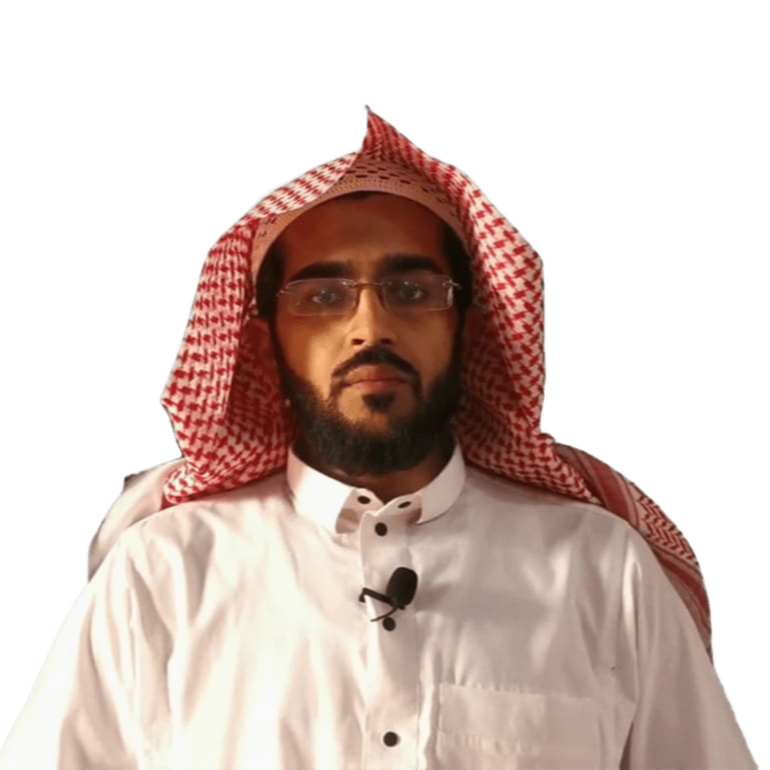
Sheikh Abdul Rahman Yaqoob is a certified Quran & Tajweed scholar, holding a Bachelor’s Degree with Honors in Noble Quran and Islamic Studies from the Islamic University of Madinah. He is the Lead Instructor at Quranic Values, dedicated to bridging the gap for Muslim families in the West by providing authentic Islamic education and nurturing a generation connected to their faith and identity